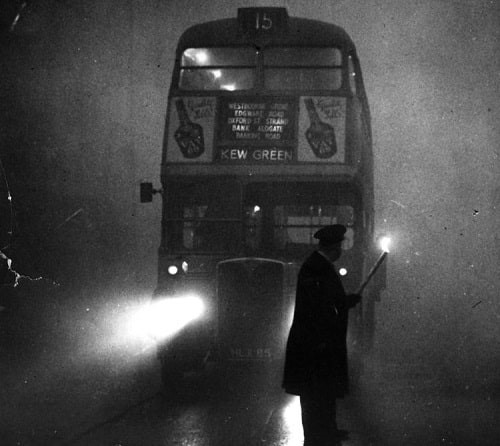
¶ London smog has been infamous for centuries, and when 4,000 people died in December 1952, the British government mocked worried meteorologists the same way that climate deniers mock scientists today. (In The Crown, Season 1 Episode 4, Churchill (played by John Lithgow) initially dismisses the gravity of the crisis, calling it an "act of God," while facing political pressure to resign.
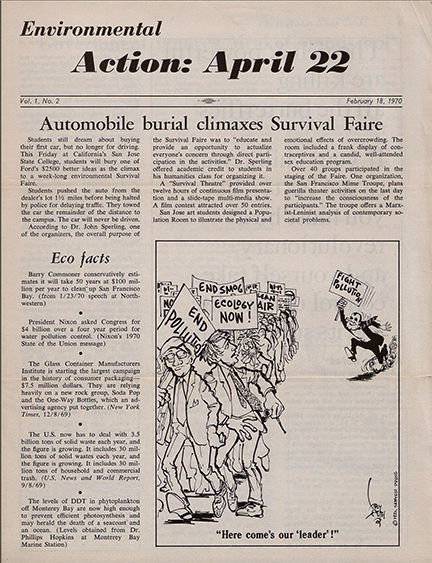 Environmental Action Archive
starting with Earth Day 1970 is now open at the University of Pittsburgh.
 The hats that created bird sanctuaries like the Mahleur Wildlife Preserve in Oregon in 1908 are featured in this OPB web site. The Mahleur has been the scene of a confrontation between right wingers and the federal government in January 2016.
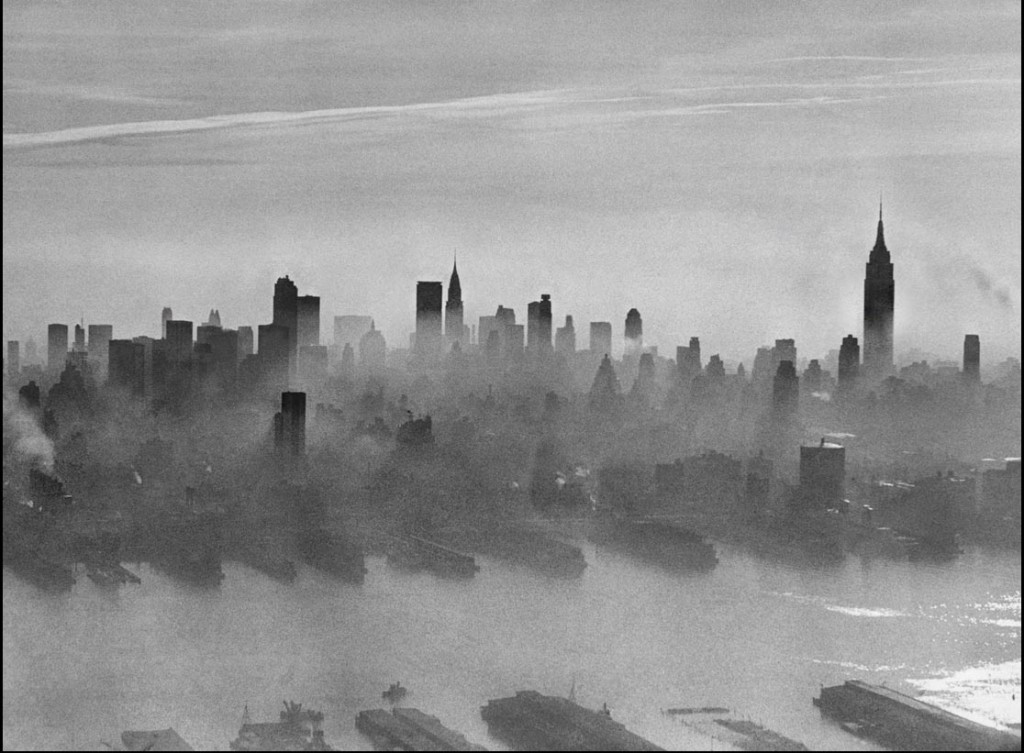 Pollution regs saved lives says Michael Greenstone in this Sept. 24, 2015 article in the New York Times. Although some people want to repeal the Clean Air Act, air quality regulations have averted tens of thousands of premature deaths, Greenstone says.
 ¶ A giant tree's death sparked the conservation movement in 1853. Terrific article by Leo Hickman of the Guardian on June 27, 2013. The "Mother of the Forest" was also covered in Neuzil and Kovarik's Mass Media and Environmental Conflict published in 1996.
 ¶ Dymaxion car Blueprints for the 1933 Dymaxion car designed by Buckminster Fuller showed up in a Massachusetts recently. The car was far ahead of its time but a fatal accident on a test site stalled development. Although widely celebrated for his innovative ideas, Fuller was not much of an automotive engineer, according to Smithsonian magazine.
¶ 1970 Clean Car Race is reported in MIT Technology Review in August, 2013. The cleanest car, among the electrics and hybrids, was a modified internal combustion engine.
¶ History of the Commons and today's environmental crisis is an excellent read in the May/June 2013 Utne Magazine.
¶ Saving the NJ Pine Barrens Writer John McPhee recalls the struggle to save a remnant of wilderness on the east coast. Philadelphia Inquirer, March 4, 2013.
¶ Remembering Darwin Scientific American remembers Charles Darwin and his impact on science on the 204th anniversary of his birthday, Feb. 12, 2012.
¶ Shackleton crew's 1916 ordeal -- a perilous journey taken after their ship got stuck and sank in Antarctica -- is being reinacted by a group of British and Australian adventurers. (Associated Press, Feb. 10, 2013)
¶ US air pollution was a lot like the pollution now in Beijing says Jim Bruggers of the Louisville Courier Journal and Alexis Madrigal in the Atlantic magazine in January 2013 articles. KCET public television also had a well illustrated article on L.A.'s smoggy past.
¶ First subway The London tube is 150 years old on Jan. 9, 2013. Mind the gap!
¶ Birth of the Clean Water Act Living on Earth interviews William Ruckelshaus, the first EPA administrator, about the Clean Water Act of 1972. "it was a terrible time," Ruckelshaus said. "I remember the first time I moved to Washington and the air was brown as I’d go to work in the morning. There was no industry in Washington at the time, that was all automobile pollution." Dec. 28, 2012.
¶ Remembering Barry Commoner A biologist and activist best known for studying baby’s teeth to demonstrate that radioactive fallout from atomic weapons testing was getting into our food supply and endangering our health. Living on Earth, Oct. 5, 2012.
¶ Bodega nuclear fight Gary Pace of Sebastopol, California reflects on the 1960s fight over building a nuclear power plant on top of the San Andreas earthquake fault at the Bodega Headlands. "I often wonder how (environmentalists) found the outrageous hope that they could halt the building of a nuclear plant once the work had started and I ask for similar inspiration." Living on Earth, Sept. 28, 2012.
¶ Climate change drove early human migration, anthropologists believe. NPR, Sept. 20, 2012.
¶ Ancient deforestation created the Danube River delta 8,000 years ago, scientists have found. Sept. 14, 2012New York Times.
¶ Environmental injustice The Hawks Nest Disaster of 1930 - 33 is getting a new memorial. In the infamous incident, between 700 to 3,000 US workers were killed or severely injured for life after boring a tunnel through a section of pure silica without then-standard respiratory protection. Sept. 7, 2012, W.V. Gazette. Also see this People's Press 1935 article about the disaster.
¶ National mammal? Teddy Roosevelt V argues that the US should remember its conservation history by making the bison the country's national mammal. Sept. 4, 2012
¶ Environmental Future Postcards from the past show the world of the future in 2012 in all its dazzling glory, from air police stopping traffic to whales pulling carriages full of divers. Fast Company, Aug. 20, 2012

¶ Smog of History LA Times recaps an article about testing pollution control devices in the 1950s. Aug. 17, 2012
¶ Remembering the Radium Craze France's 19th century radium craze still haunts Paris, Reuters reports. "When the Franco-Polish Nobel Prize winner Marie Curie discovered the radioactive element radium in 1898, she set off a craze for the luminescent metal among Parisians, who started using it for everything from alarm clock dials to lipsticks and even water fountains." July 20, 2012
¶ Drought in ancient times The ancient Mayan water system was designed with drought in mind, as this New York Times article notes. Are there lessons for the modern era? July 17, 2012.

 Birthday of John Evelyn
  Izaak Walton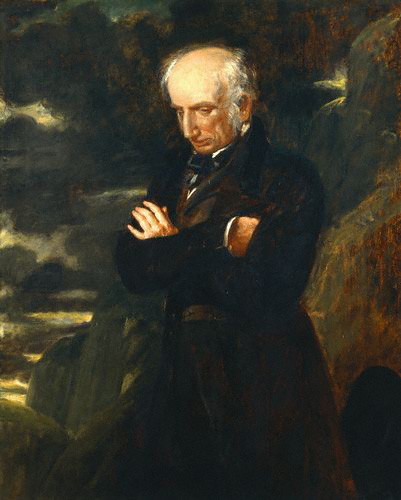

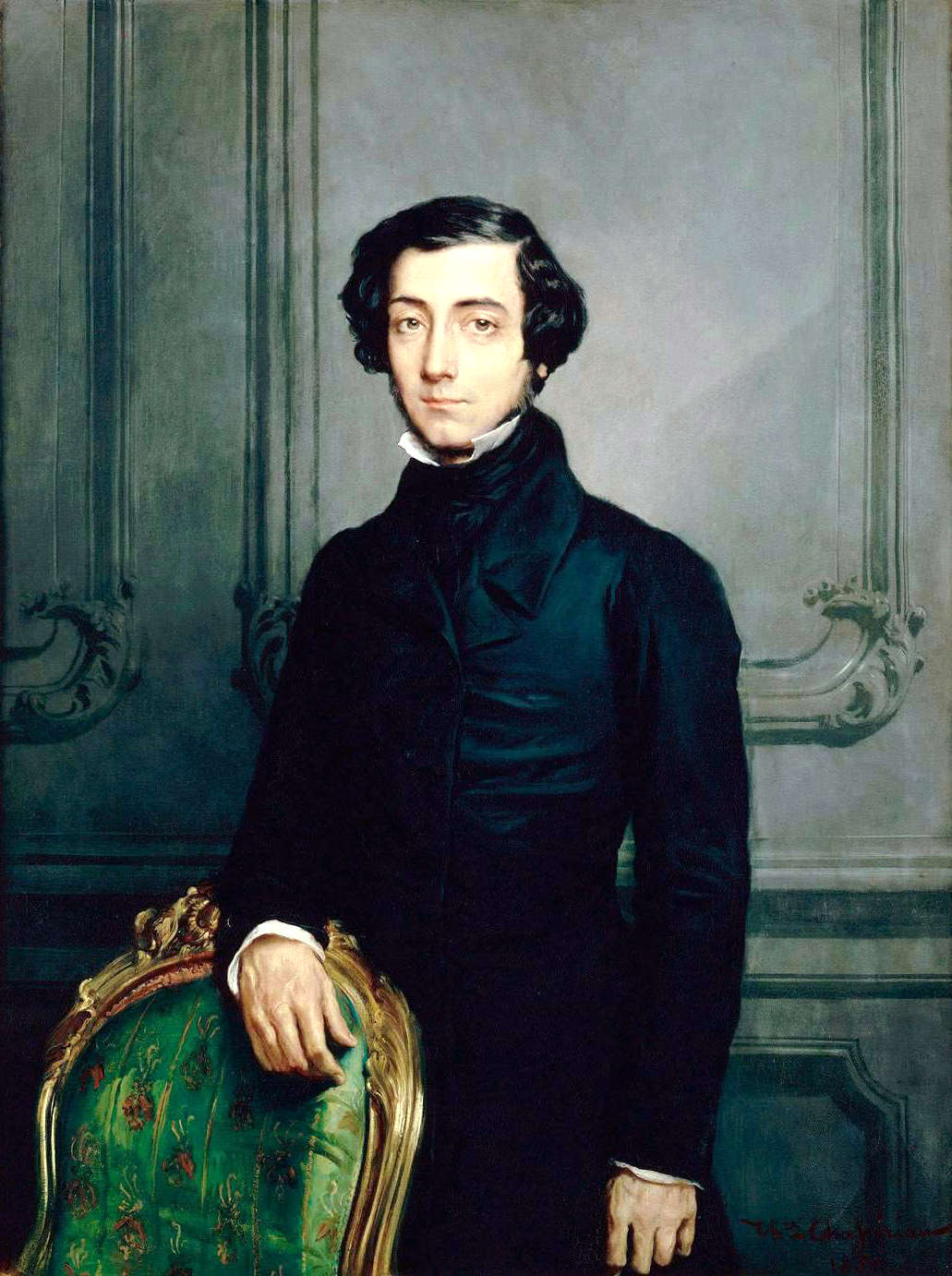 Alexis de Tocqueville
  Edward Carpenter
  Rachel Carson
 First Mid-East oil
 Daniel Fahrenheit
 Activist Bombed